Inspection
The Slideout Wouldn't Retract: Because of the Bed
By Brad Tomlin · May 2, 2026
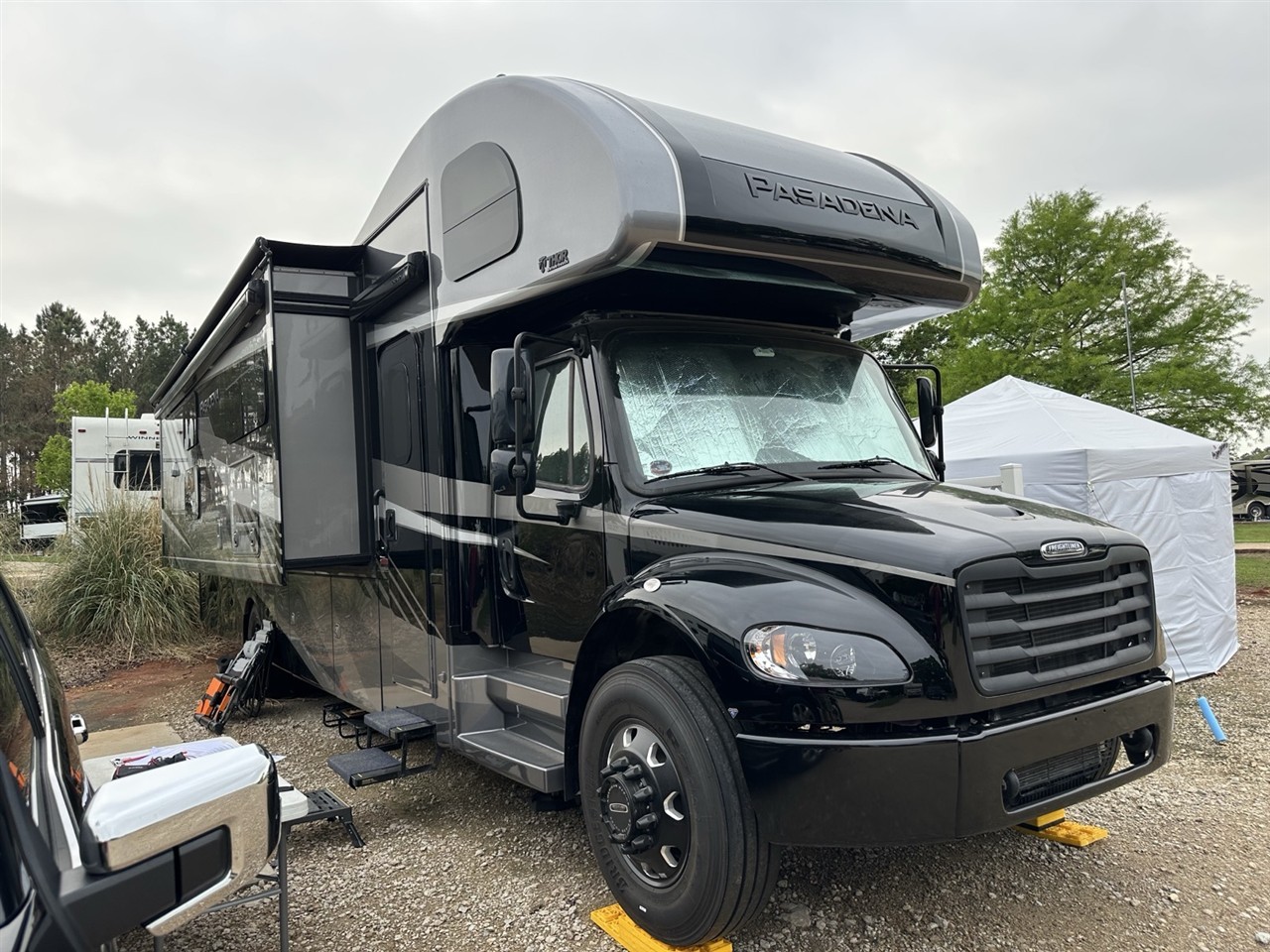
Newer usually means fewer surprises. On a recent diesel motorhome inspection, "newer" still came with a finding that would stop most owners cold at the campground gate.
The bed that holds the slideout hostage
This motorhome uses a fold-up bed as part of its slideout mechanism, and the bed's motor had quit working. The result: the slideout couldn't retract until the bed was folded up manually first, every single time. It's the kind of design-dependent failure that's easy to miss on a showroom walkthrough (nobody's folding beds and cycling slideouts during a sales pitch), but it's exactly the kind of thing that turns "time to hit the road" into an unplanned repair stop.
A warning light that doesn't wait for you to notice it
During the inspection, the dash displayed a "Brake Air Supply Pressure Low" warning. On an air-brake diesel chassis, that's not a light to drive past. It's a life-safety issue that needs a qualified technician's attention before the unit goes anywhere. A warning system doing exactly what it's designed to do is a good sign for the chassis; ignoring what it's telling you wouldn't be.
Sealant separating on a coach this new
The front cap sealant on the curbside had already separated, a clear path for water to work its way into the roof structure, and the Wi-Fi/cellular antenna mounted on the roof had gaps in the sealant around all four of its mounting feet. Sealant failure is usually a story about age. Here, it's a reminder that installation quality matters just as much as time on the road, even on a unit that hasn't logged many miles yet.
The rest of the punch list
A tire was reading more than 10 psi below the manufacturer's spec. The streetside leveler base was bent at the edges. A window latch was broken. A blind wouldn't stay down without the owner holding it in place with a paper clip. Both streetside slideout awning toppers had air conditioner condensate draining directly onto them, which is exactly the kind of slow, repeated moisture exposure that shortens fabric life. And a power converter took nearly 45 minutes, instead of the expected 10 to 15, to show its expected voltage drop with the panels covered, worth a closer look by a technician before it's trusted at face value.
Why this matters even on a newer coach
None of this is about the age of the unit. It's about the fact that a motorhome is a house, a chassis, dozens of interdependent systems, and every one of them needs to be tested, not assumed to work because the unit looks new. Every inspection we perform follows NRVIA's Code of Ethics and Standards of Practice for exactly this reason: a documented, tested report beats an assumption every time.
Buying a newer motorhome, gas or diesel? Book an inspection and find out what's actually there before you rely on it.